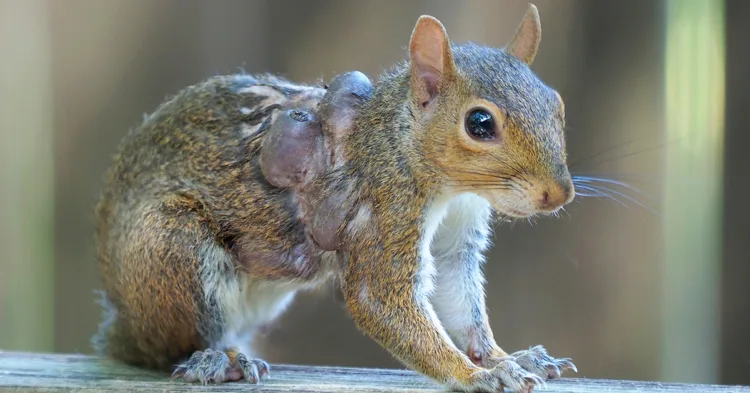
A Virginia-based animal rescue center has recently issued a cautionary plea. It advises the public to reconsider their acts of kindness towards squirrels appearing diseased due to skin malformations. The peculiar sightings, rather than indicating illness, are often a sign of parasitic infection.
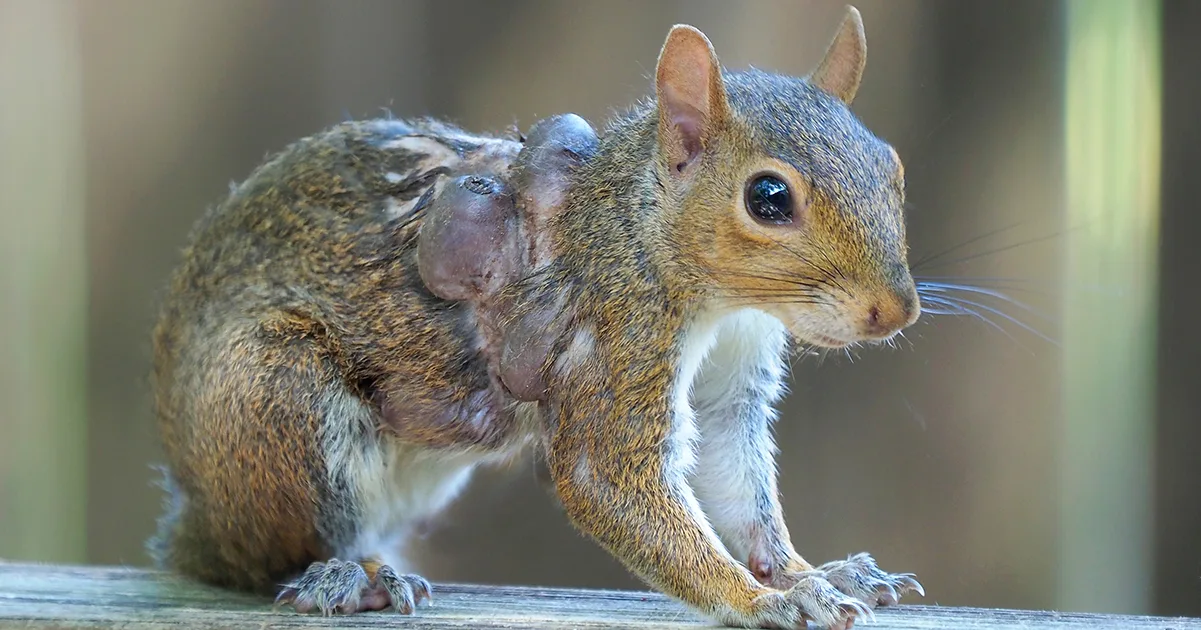
Close on the heels of the disturbing stories of rabbits sprouting inexplicable horn-like growths, a new wave of worry foreshadows the American fauna. This time, it relates to squirrels sporting swollen lumps on their fur. Contrary to misconceptions linking them with overfeeding or injury, these lumps are typically the handiwork of a parasite known scientifically as a botfly.
Evelyn’s Wildlife Refuge, a not-for-profit establishment in Virginia, has been spreading this message across Facebook annually, most notably during the fall. It is during this season that sightings of squirrels notably increase. The refuge highlights that squirrels are prone to harbor botfly larvae. These larvae nest under the skin, causing sizable, swollen protrusions that often mislead spectators into thinking the creature is critically ill or affected by disease.
Botflies, hailing from the Oestridae family, have a broad victim range. Despite the visibility of squirrels as their prey, many other species, including cats, dogs, rabbits, raccoons, and chipmunks, can also be infected.
Botfly infestation initiates with the laying of their eggs on an animal’s fur. When these eggs hatch, larvae make their way into the skin or enter through the nasal or oral cavities, according to the For Fox Sake Wildlife Rescue organization.
Once they have infiltrated the host, they grow, forming conspicuous lumps that tend to alarm onlookers from afar. After reaching adulthood, the larvae extricate themselves from the host’s bodies, dropping to the ground. From there, they submerge themselves in the soil, eventually emerging as adult flies.
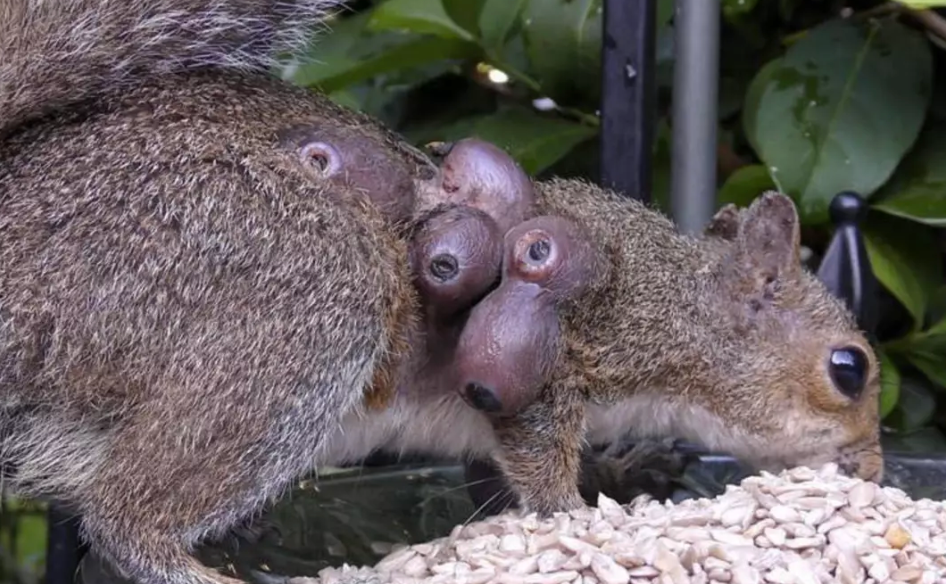
Credit: Evelyn’s Wildlife Rescue.
Albeit ghastly, experts assure that botflies do not typically kill their hosts. Animals can usually endure and survive this ordeal, even though the larvae’s presence can evoke significant discomfort and agitate the creatures.
The real threat emerges when compassionate individuals, however well-intended, attempt to extricate the parasites on their own. In a recent Facebook post, Evelyn’s Wildlife Refuge issued a stern warning:
“Bot extractions should only be attempted by trained rehabbers or vets. Should the larva become damaged within the host, it could lead to anaphylactic shock and possible death. These creatures have leg-like structures that they use to resist removal from the host. Extreme caution should be observed even if the botfly is deceased.”
The refuge also clarified that botfly infections and another condition called squirrel pox, are distinct. Squirrel pox, a virus spread among squirrels, typically in feeding areas, creates smaller bumps across the body. Unlike botfly lumps, squirrel pox usually resolves independently over time.
Animal experts are currently advising the public against intervening when they come across peculiarly lumpy wildlife. Instead, they recommend contacting a licensed wildlife rehabilitator or a trained veterinarian, equipped to handle such situations safely.